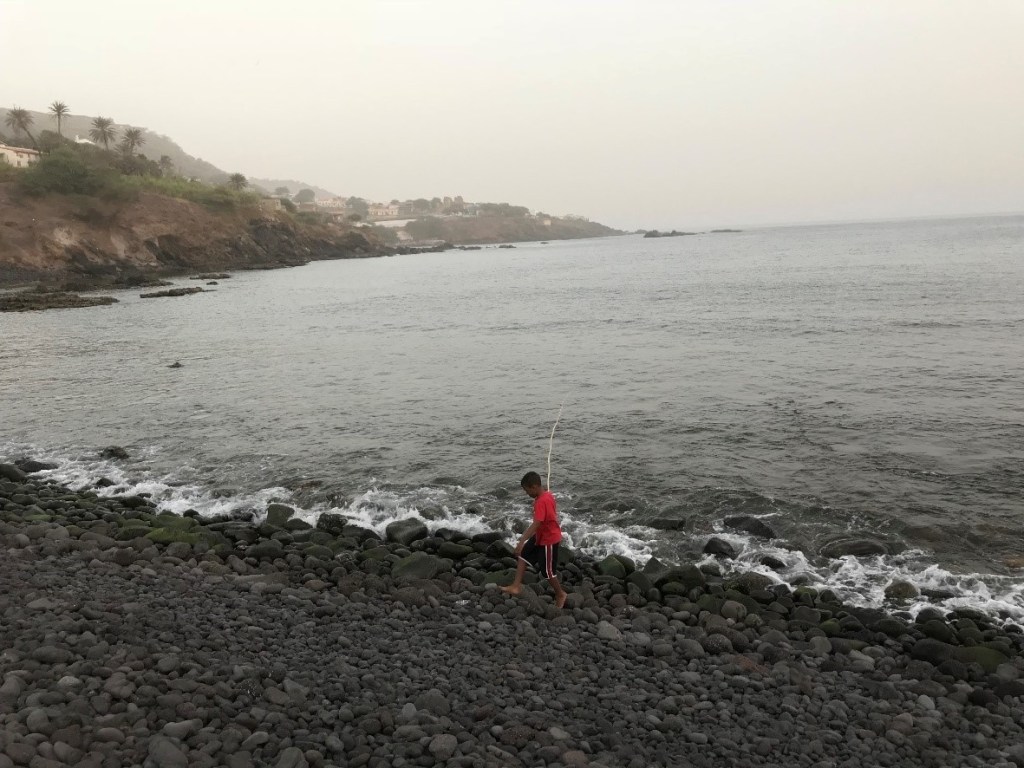
If colonial memories – in the form of contingent social constructions – shape and participate in postcolonial politics, how can we use scientific methods to capture that? What do we learn about the process and materiality of de/post-colonization? How can we study the emotional investment of Cape Verdeans in their national project, and how do we incorporate personal experiences in our analysis? Doing International Political Sociology (IPS) “on the edge”, this article conceptualizes Cape Verde as “a sensory world-island” and demonstrates the liberating potentials of a historicized visual, sonic and affective politics approach for interpreting plural, postcolonial African societies. The research project analyses three sites of aesthetic politics, the beaches, the public squares, and the migrant bodies, showing how they powerfully structure an affective community that connects islanders with continent dwellers; reunites Caribbean creoles with their African slave ancestors; and activates profound sentiments pertaining to mobility, poverty and plights of the Global South.
 Kaian Lam 林嘉欣